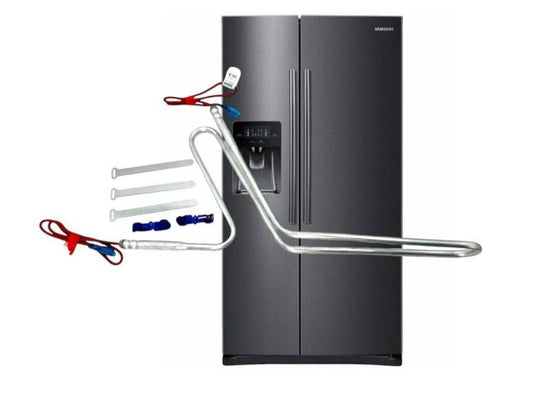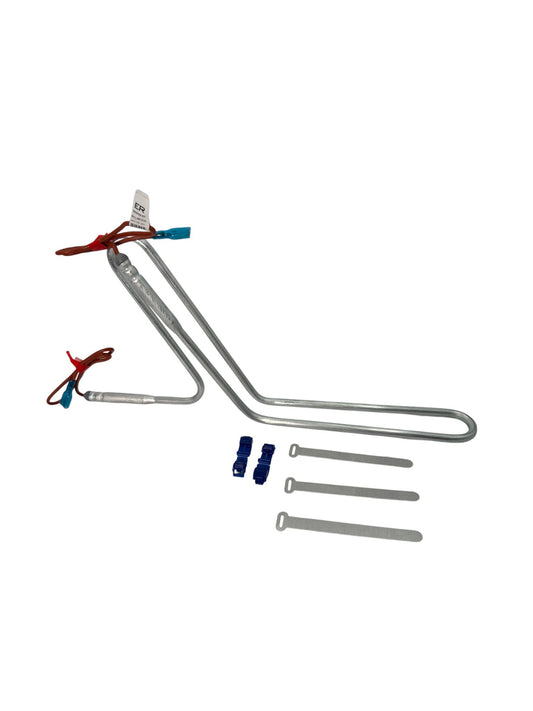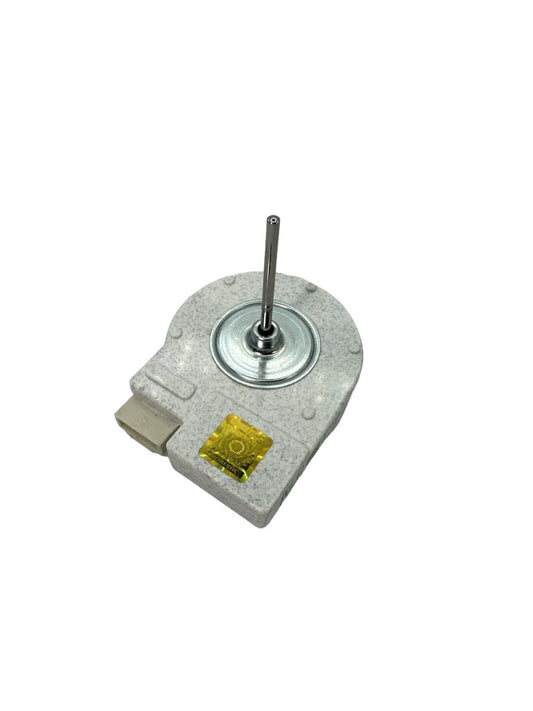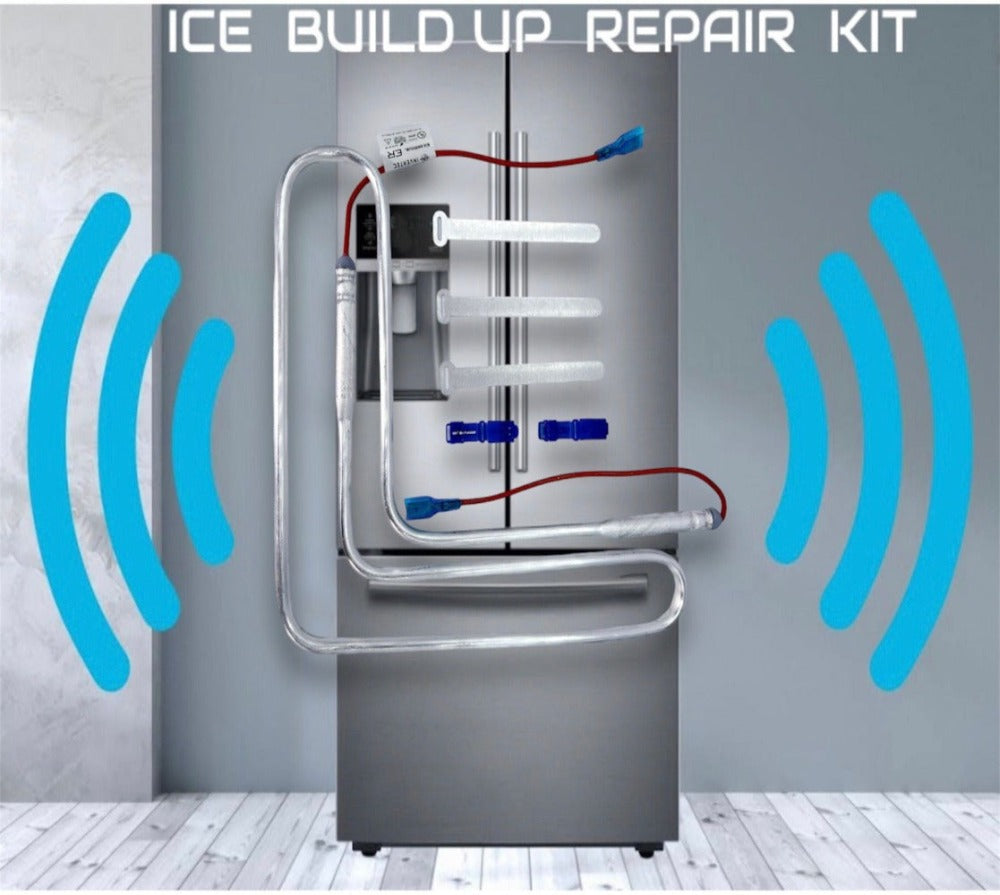
When an appliance stops working, replacing the correct part can often help restore its function and extend its service life. However, finding the right replacement part is not always as simple as matching the product photo or choosing a part that looks similar.
Appliance manufacturers often produce multiple versions of the same appliance model, and parts can vary based on the model number, serial number, production date, or manufacturer revisions. Ordering the wrong part can lead to installation problems, delays, returns, and unnecessary costs.
This guide explains how to find the correct replacement part for your appliance before placing an order.
Why Choosing the Correct Appliance Part Matters
Appliance parts are model-specific. Even parts that look identical may have different connectors, dimensions, voltage ratings, mounting points, or internal specifications.
Using the wrong part may cause:
- The appliance to continue malfunctioning
- Installation issues
- Electrical or mechanical damage
- Safety concerns
- Delays in completing the repair
- Additional return or shipping costs
Before ordering any replacement part, it is important to verify compatibility using the appliance model number and, when available, the original part number.
Step 1: Find Your Appliance Model Number
The most important step is locating the appliance model number. This number allows you to identify parts that were designed to fit your specific appliance.
The model number is usually printed on a manufacturer label or rating plate attached to the appliance. It may include letters, numbers, dashes, or slashes.
Common Model Number Locations
Refrigerators and Freezers
The model number may be located:
- Inside the refrigerator compartment
- On the side wall near the top shelf
- Behind the crisper drawers
- On the door frame
- Near the ceiling inside the fresh food section
- On the back of the appliance
Dishwashers
The model number is commonly found:
- On the inner door frame
- Along the side edge of the dishwasher door
- Near the tub opening
- On the top or side of the door panel
Washers
The model number may be located:
- Inside the door area
- Under the lid on top-load washers
- Around the door frame on front-load washers
- On the back panel
- Near the control panel area
Dryers
The model number may be found:
- Inside the dryer door opening
- Around the door frame
- On the back of the appliance
- Near the control panel
- On the side panel, depending on the model
Ovens, Ranges, and Cooktops
The model number may be located:
- Around the oven door frame
- Behind the storage drawer
- Under the cooktop surface
- On the side of the appliance frame
- Near the control panel
Step 2: Check the Original Part Number
If possible, locate the original part number printed directly on the part you are replacing. This can be very helpful, especially for electronic boards, motors, switches, pumps, valves, thermostats, heating elements, and sensors.
However, the original part number alone is not always enough. Some part numbers are updated, discontinued, substituted, or replaced by newer manufacturer-approved versions.
For best accuracy, compare both:
- The appliance model number
- The original part number from the defective part
This helps confirm whether the replacement part is compatible with your appliance.
Step 3: Do Not Rely Only on Product Photos
Product photos are useful, but they should not be the only method used to choose a part.
Many appliance parts look very similar but are not interchangeable. For example, two control boards may look almost identical but have different programming, connector locations, or compatibility requirements. Door switches, pumps, valves, and sensors can also vary by model.
Before ordering, always review:
- Model compatibility
- Part number compatibility
- Connector style
- Dimensions, if applicable
- Manufacturer notes or replacement information
- Any listed substitute or updated part numbers
Step 4: Understand OEM, Aftermarket, and Replacement Parts
When shopping for appliance parts, you may see terms such as OEM, genuine, aftermarket, replacement, or compatible.
OEM or Genuine Parts
OEM parts are made by, or for, the original appliance manufacturer. These parts are usually designed to match the original specifications.
Aftermarket Replacement Parts
Aftermarket parts are produced by third-party manufacturers. A compatible aftermarket part may replace the original part if it is designed to fit and function with the specified appliance model.
Updated or Superseded Parts
Manufacturers may discontinue an older part number and replace it with a newer version. In some cases, the shape or appearance of the part may change, while the function remains the same.
This is why part number cross-referencing and model compatibility are important.
Step 5: Confirm Compatibility Before Ordering
Before placing an order, confirm that the part is listed as compatible with your appliance model.
You should verify:
- Full appliance model number
- Original part number, if available
- Replacement or substitute part number
- Appliance brand
- Appliance type
- Connector or terminal style
- Physical dimensions, if relevant
- Any notes about installation or compatibility
If the model number is not listed, do not assume the part will fit. Contact the seller or manufacturer for confirmation before ordering.
Step 6: Check the Return and Warranty Policy
Even with careful verification, mistakes can happen. Before purchasing an appliance part, review the seller’s return and warranty policy.
A professional appliance parts supplier should provide clear information about:
- Return eligibility
- Return time limits
- Restocking fees, if applicable
- Warranty coverage
- Conditions for electrical parts
- Requirements for unused or installed parts
- Shipping costs for returns or exchanges
This is especially important for electronic parts, as many suppliers have specific return conditions for installed control boards and electrical components.
Step 7: Buy From a Reliable Appliance Parts Supplier
Choosing a reliable supplier can reduce the risk of ordering the wrong part and help ensure a better customer experience.
When selecting a supplier, look for:
- Clear product descriptions
- Model compatibility information
- Accurate part numbers
- Secure online checkout
- Transparent return policy
- Warranty information
- Customer support
- Reliable shipping options
- Canadian availability, when applicable
A trustworthy supplier should help customers verify compatibility rather than simply encourage them to buy quickly.
Common Mistakes to Avoid
When searching for appliance parts, avoid these common mistakes:
- Ordering based only on appearance
- Using an incomplete model number
- Ignoring the serial number when it is required
- Assuming similar parts are interchangeable
- Buying only because the price is lower
- Failing to check the return policy
- Installing an electrical part before confirming compatibility
- Confusing the appliance model number with the part number
Taking a few minutes to verify the correct information can prevent unnecessary delays and expenses.
Information to Have Ready Before Contacting Support
If you need help finding the correct part, prepare the following information:
- Appliance brand
- Full model number
- Serial number, if available
- Original part number
- Photos of the part, label, and connectors
- Description of the appliance problem
- Any error codes displayed by the appliance
This information helps the supplier or technician identify the correct replacement part more accurately.
Final Recommendation
Finding the correct appliance part starts with the appliance model number. The original part number, product photos, connector type, and manufacturer replacement notes can also help confirm compatibility.
Before ordering, avoid relying only on appearance or general descriptions. Always verify that the replacement part is compatible with your exact appliance model.
At Parts of Canada Ltd., customers can search for appliance replacement parts by model number, part number, or appliance type. If you are unsure which part is correct, prepare your model number and part details before contacting support so compatibility can be reviewed as accurately as possible.